
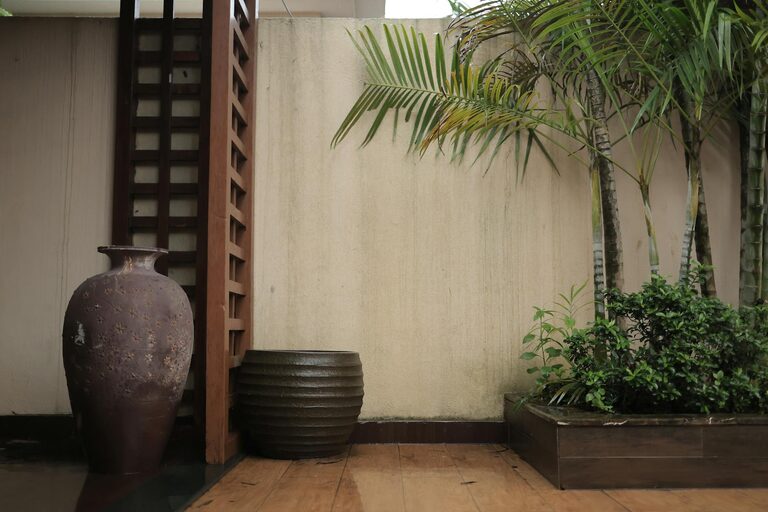
Creating a relaxing garden space at home can offer a wonderful escape from the stresses of daily life. Whether you have a large backyard or a small balcony garden, designing a serene outdoor area allows you to connect with nature and find calm in your own surroundings. In this post, we will explore practical tips to help you craft a soothing garden retreat tailored to your lifestyle.
Why Create a Relaxing Garden Space?
Gardens have long been valued for their ability to promote well-being. Spending time outdoors amid greenery can improve mood, reduce stress, and even encourage mindfulness. A peaceful garden space can be your personal sanctuary for reading, meditating, or simply enjoying a cup of tea.
Planning Your Garden Retreat
Before you start planting or buying furniture, take some time to plan your garden space thoughtfully.
Assess Your Space
– Size and Layout: Measure the area to understand what will fit comfortably.
– Sunlight and Shade: Observe how much sun the space receives at different times of day.
– Privacy: Consider natural or artificial ways to create privacy, like hedges or screens.
Define Your Purpose
Think about how you want to use your garden:
– Relaxation and meditation
– Entertaining friends
– Growing herbs or flowers
– Activities such as yoga or reading
Having a clear vision will guide your design and plant choices.
Choosing the Right Plants
Plants are central to a calming garden. Choose those that provide visual appeal, pleasant scents, and attract wildlife gently.
Tips for Plant Selection
– Evergreens and Perennials: Provide year-round structure and low maintenance.
– Fragrant Plants: Lavender, jasmine, or gardenias can offer soothing scents.
– Soft Colours: Pastel flowers or green foliage help create a tranquil atmosphere.
– Wildlife-Friendly: Adding plants that attract birds or butterflies adds life without noise or disturbance.
Consider Sensory Experience
Include a variety of textures and colours to engage your senses. For example, coarse grasses, smooth leaves, or delicate petals can add interest and calm.
Creating Comfortable Seating Areas
A garden is only relaxing if you have a comfortable place to sit and enjoy it. Consider the following:
– Furniture: Choose weather-resistant chairs or benches with cushions for comfort.
– Positioning: Seat areas that receive morning sun and afternoon shade are often ideal.
– Shade Options: Use umbrellas, pergolas, or ivy-covered trellises to provide relief from the sun.
Adding a small table can also be useful for drinks, books or plants.
Adding Water Features
The sound of water can be incredibly soothing and mask noise from neighbours or traffic.
Water Feature Ideas
– Small fountain or bubbler
– Birdbath that attracts wildlife
– Miniature pond with aquatic plants
Ensure any water features are easy to maintain and appropriate for your space size.
Using Lighting to Extend Enjoyment
Soft garden lighting lets you enjoy your tranquil space after sunset.
– Solar Lights: Eco-friendly and easy to install along paths or flower beds.
– String Lights: Create a cosy ambiance around seating areas.
– Lanterns or Candles: Add warmth and charm, but ensure they are safe to use outdoors.
Incorporating Personal Touches
Personalising your garden makes it feel truly inviting.
– Display outdoor art or sculptures.
– Add colourful cushions or blankets for extra comfort.
– Use pots and planters that reflect your style.
– Include wind chimes or other gentle sound-makers.
Keeping Maintenance Manageable
A relaxing garden should not become a source of stress. Aim to keep maintenance simple.
– Choose low-maintenance plants.
– Use mulch to reduce weeds and retain moisture.
– Incorporate automatic irrigation if possible.
– Regularly prune and tidy to preserve the appearance without feeling overwhelming.
Final Thoughts
Designing a relaxing garden space at home is about creating a place where you feel peaceful and comfortable. With careful planning, thoughtful plant choices, and a focus on comfort, your garden can become a sanctuary to unwind and enjoy nature any time.
Take the time to experiment and adjust your garden as you discover what elements make you feel most at ease. Over time, your outdoor space will turn into your own private haven of relaxation.