
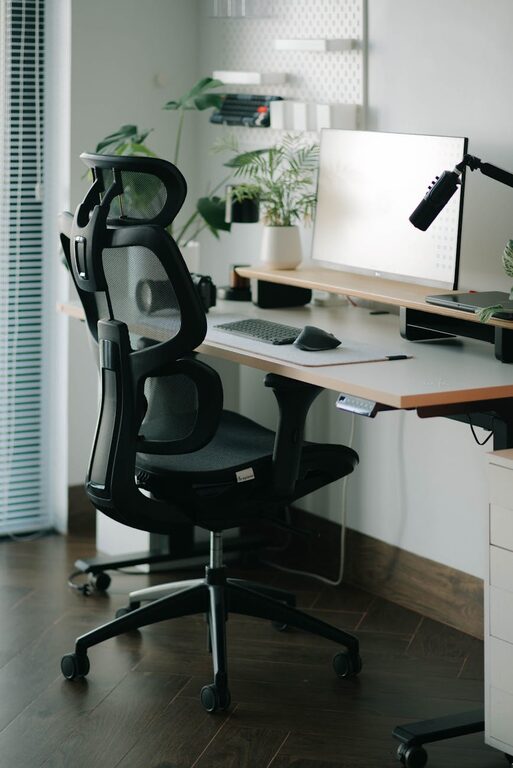
Creating a comfortable and productive home office space is key to making the most of your work-from-home experience. Whether you’re a full-time remote worker or someone who needs a quiet spot for occasional tasks, a well-designed workspace can improve focus, reduce stress, and boost your overall productivity. In this post, we’ll explore practical tips and ideas to help you set up a home office that suits your needs and style.
1. Choose the Right Location
Selecting the ideal spot in your home is the first step in creating an effective office space. Consider these factors:
– Quiet Area: Pick a room or corner that is away from household noise such as TV rooms or busy kitchens.
– Natural Light: Work close to a window to enjoy natural daylight, which can improve mood and energy levels.
– Space Availability: Ensure there’s enough room for your desk, chair, and storage without feeling cramped.
If space is limited, even a small nook with a compact desk can work well.
2. Invest in an Ergonomic Chair and Desk
Comfort is crucial when sitting for long periods. An ergonomic chair supports your back, encourages good posture, and prevents discomfort.
– Look for adjustable chairs with lumbar support.
– Choose a desk with sufficient surface area for your computer, paperwork, and other essentials.
– Consider a desk height that suits your stature; alternatively, adjustable desks or standing desks are good options.
Make sure your monitor is at eye level to reduce neck strain, and keep your wrists straight while typing.
3. Organise Your Workspace Efficiently
A tidy, well-organised office can reduce distractions and increase efficiency.
– Use shelves, drawers, or filing cabinets to store documents and office supplies.
– Utilise desk organisers to keep frequently used items within reach.
– Label storage boxes to find things quickly.
– Keep your cables managed with clips or tubing to avoid clutter.
Regularly declutter your space to maintain a clean and inspiring environment.
4. Optimise Lighting
Good lighting is essential to reduce eye strain and create a pleasant atmosphere.
– Combine natural light with artificial sources, such as desk lamps or overhead lights.
– Choose warm or neutral white bulbs to create a comfortable ambience.
– Position lighting to avoid glare on your computer screen.
– Consider using adjustable lamps for task lighting.
Bright and balanced lighting can make your office feel welcoming and energising.
5. Personalise Your Space
Adding personal touches can make your home office more inviting and motivate you to spend time there.
– Decorate with artwork, plants, or photos that inspire you.
– Use colour schemes that promote focus and calmness, such as blues, greens, or neutral tones.
– Include a comfortable rug or cushions if space allows.
Personalisation helps create a positive and enjoyable work environment.
6. Minimise Distractions
Maintaining focus is easier when your workspace is free from interruptions.
– Inform household members of your working hours to reduce disturbances.
– Use noise-cancelling headphones if necessary.
– Keep your phone on silent or out of sight during work periods.
– Set boundaries to separate work time from personal time.
Creating a dedicated work zone encourages productivity and helps keep a work/life balance.
7. Incorporate Technology and Accessories
Having the right tools at hand can streamline your workday.
– Ensure a strong and reliable internet connection.
– Invest in a good quality keyboard, mouse, and headset.
– Use a second monitor if your work involves multitasking.
– Keep chargers and power strips organized and accessible.
Technology should support your tasks without causing frustration or clutter.
8. Maintain Good Air Quality and Temperature
A comfortable temperature and fresh air contribute to your concentration and wellbeing.
– Keep windows open when possible to let in fresh air.
– Use fans or heaters to regulate temperature according to the season.
– Consider adding indoor plants to improve air quality and add a natural feel.
An environment that feels comfortable physically helps you stay focused longer.
9. Plan Breaks and Movement
Sitting in the same position for long hours can be unhealthy and counterproductive.
– Schedule short breaks to stand, stretch, or walk around.
– Use a timer or app to remind you to move regularly.
– Incorporate standing or adjustable desks to alternate between sitting and standing.
Frequent movement can refresh your mind and reduce fatigue.
—
Creating a comfortable and productive home office is about balance — combining functionality with a space that feels good to be in. By thoughtfully choosing your location, investing in quality furniture, organising efficiently, and personalising your environment, you can develop a workspace that supports your best work every day. Remember to listen to your needs and adjust your setup as you go along—your perfect home office is just a few steps away.