
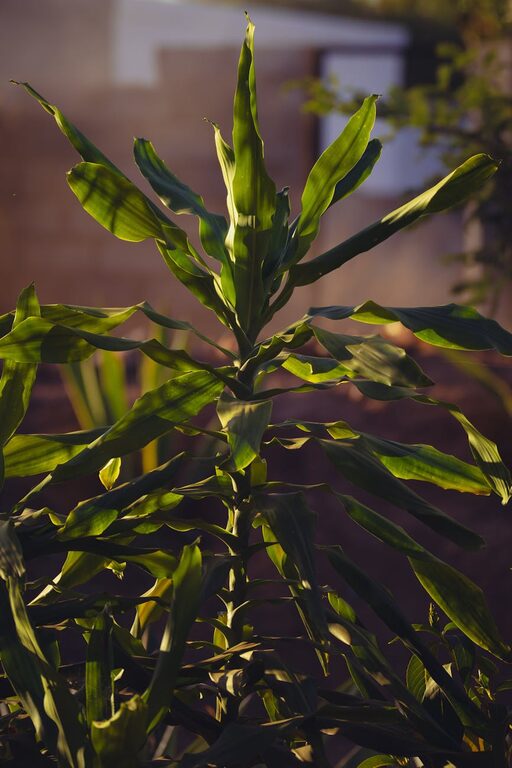
Creating a sustainable garden at home is a rewarding way to enjoy nature, reduce your environmental footprint, and support local ecosystems. Sustainable gardening focuses on using resources wisely, conserving water and soil, and encouraging biodiversity. Whether you have a small balcony, a backyard, or a larger plot, you can implement simple practices that make your garden eco-friendly and easier to maintain.
In this guide, we’ll explore practical tips to help you design and care for a sustainable garden, making it a haven for plants and wildlife alike.
What is a Sustainable Garden?
A sustainable garden is one that meets its needs—like water and nutrients—without depleting natural resources or harming the environment. It mimics natural ecosystems by using native plants, reducing waste, and enhancing soil health. The goal is to create a self-sustaining space that conserves energy and water while promoting biodiversity.
Choosing the Right Plants
Opt for Native and Drought-Tolerant Species
Native plants are adapted to your local climate and soil, making them easier to grow with less water and fewer fertilisers. They also provide crucial food and habitat for local wildlife such as bees, butterflies, and birds.
Similarly, drought-tolerant plants help reduce water consumption. Some popular native or drought-resistant species include lavender, sedum, and certain grasses.
Mix Perennials with Annuals
Perennials return year after year, reducing the need for replanting. They develop strong root systems that improve soil structure and help with water retention. Mixing in some annuals adds colour and diversity but try to limit how many to reduce waste.
Soil Care and Improvement
Composting Kitchen and Garden Waste
Compost is a natural fertiliser that improves soil fertility and encourages healthy plant growth. By recycling your kitchen scraps (vegetable peelings, coffee grounds) and garden waste (grass clippings, leaves), you reduce landfill waste and create nutrient-rich compost.
Start a small compost bin or heap in a corner of your garden. Turn it regularly to speed up decomposition and avoid unpleasant smells.
Mulching to Retain Moisture
Applying a layer of mulch (such as bark chips, straw, or leaf mould) around your plants helps reduce evaporation, suppress weeds, and moderate soil temperature. Organic mulches break down over time, adding nutrients to the soil.
Water Wisely
Collect Rainwater
Installing a rainwater butt or barrel is an eco-friendly way to irrigate your garden without tapping potable water supplies. Collecting rainwater from your roof can provide free, chemical-free water for your plants.
Use Drip Irrigation or Watering Cans
Instead of garden hoses or sprinklers, drip irrigation systems deliver water directly to the plant roots with minimal waste. Watering cans give you more control and help avoid overwatering.
Water at the Right Time
Early morning or late evening watering reduces water loss through evaporation. Avoid watering during the hottest part of the day.
Encourage Wildlife Habitat
Build a Bug Hotel or Birdhouse
Creating shelter features supports beneficial insects like ladybirds and solitary bees that help pollinate plants and control pests. A simple bug hotel can be homemade from natural materials like wood, straw, and bamboo.
Birdhouses or feeders attract various bird species that provide natural pest control.
Plant a Variety of Flowers and Shrubs
Diverse plantings offer food and shelter for many creatures throughout the seasons. Try to include flowering plants that bloom at different times to provide continuous nectar sources.
Reduce Chemical Use
Avoid synthetic pesticides and herbicides. These can harm beneficial insects, soil organisms, and water quality. Instead, use natural pest control methods such as companion planting, encouraging predators, or hand-picking pests.
Planning Your Garden Layout
Group Plants by Water and Sunlight Needs
Planting zones with similar requirements help conserve water and reduce plant stress. For example, group sun-loving drought-resistant plants together and shade-tolerant plants in less sunny areas.
Incorporate Edible Plants
Growing your own vegetables, fruits, and herbs contributes to sustainability by reducing food miles and packaging waste. Raised beds or container gardens can be very productive even in small spaces.
Maintaining Your Sustainable Garden
Regular Pruning and Deadheading
Removing dead or diseased plant parts promotes healthy growth and prevents the spread of issues.
Rotate Crops and Plants
In vegetable plots, rotating crops yearly reduces soil depletion and the build-up of pests.
Continue Adding Organic Matter
Keep feeding your soil with compost and mulch to maintain fertility naturally.
—
Final Thoughts
Creating a sustainable garden is an ongoing journey, but even small changes can make a big difference. By focusing on native plants, healthy soil, water conservation, and wildlife support, you create a vibrant garden that thrives with less effort and helps the planet. Start with one or two ideas from this guide, observe how your garden responds, and adjust your practices as you learn.
Your sustainable garden doesn’t just benefit you—it becomes a welcoming space for many creatures, promoting a healthier environment for all. Happy gardening!