
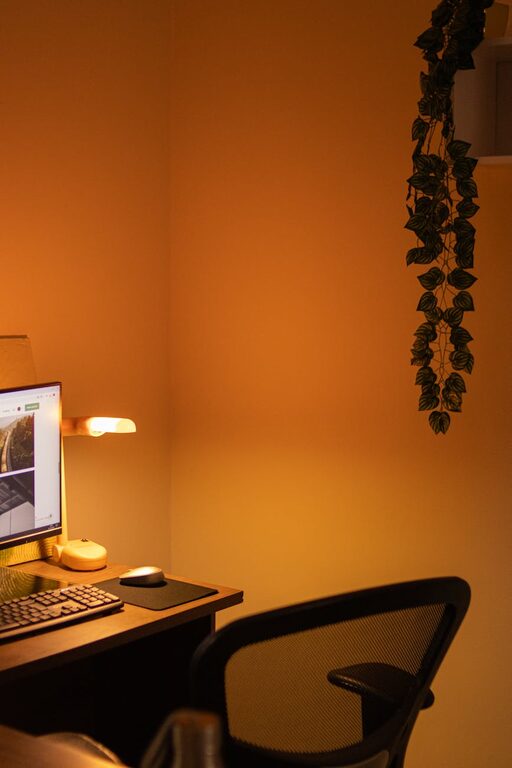
Creating a home office that feels cosy and inviting can make a huge difference to your working day. With so many people working from home, having a space that’s comfortable yet functional is essential. A well-designed home office encourages focus and creativity while also feeling like a place you want to spend time in.
In this post, we’ll explore practical tips to transform your home office into a welcoming sanctuary that supports your work and well-being.
1. Choose the Right Location
Selecting the perfect spot for your home office is the first step. Ideally, find a quiet corner or a spare room where you can work without distractions. Natural light can lift your mood and reduce eye strain, so try to position your desk near a window if possible.
If space is limited, consider using a stylish room divider or curtains to separate your working area from the rest of your living space. This helps create a mental boundary between work and home life.
2. Invest in a Comfortable Chair and Desk
Comfort is key for long hours at your desk. Invest in an ergonomic chair that supports good posture to help prevent back pain. Look for adjustable features so you can tailor your seating position.
Your desk should be at a comfortable height and large enough to hold your computer, notebooks, and any other essentials. A clutter-free surface encourages focus and reduces stress.
3. Personalise Your Space
Adding personal touches to your home office makes it feel welcoming. Choose colours and décor that inspire you and reflect your personality. This could include framed artwork, plants, or decorative objects that make you smile.
Consider using soft furnishings like cushions or a cosy throw on your chair. These little touches add warmth and make the space more inviting.
4. Use Storage Solutions to Stay Organised
Clutter can quickly take over, causing distractions and anxiety. Use storage solutions to keep your workspace tidy. Shelves, drawers, and organisers help you store stationery, papers, and equipment neatly.
Label storage boxes or folders for easy access. Keeping your desk clear of unnecessary items will help maintain a calm and efficient environment.
5. Optimise Lighting
Good lighting is essential for any workspace. Aim for a combination of natural and artificial light to reduce eye strain. Position your desk to take advantage of daylight, but avoid glare on your screen.
Add a desk lamp with adjustable brightness for focused lighting when needed. Warm-toned bulbs can create a cosy atmosphere, especially in the evenings.
6. Incorporate Greenery
Plants not only improve air quality but also add colour and a sense of life to your office. Choose low-maintenance options like succulents or spider plants if you’re new to plant care.
Greenery has been shown to reduce stress and increase productivity, making it a great addition to your working space.
7. Keep Technology Organised and Functional
A well-functioning workspace relies on good technology setup. Manage cables with clips or sleeves to prevent tangles and mess. Ensure your computer, printer, and other devices are positioned for comfortable use.
Consider investing in wireless accessories to reduce cable clutter and create a cleaner surface.
8. Create Zones for Different Tasks
If your home office is large enough, create zones for different activities like computer work, writing, or reading. This encourages movement and breaks up the day.
A small side table or a comfy armchair can act as a reading nook or a place to brainstorm away from your main desk.
9. Add Calming Elements
Incorporating calming elements helps reduce stress. This could be a softly scented candle, a diffuser with essential oils, or some relaxing background music.
Choose scents and sounds that help you concentrate and feel at ease.
10. Keep it Flexible
Finally, design your home office with flexibility in mind. Time changes and work demands might require adjustments. Use lightweight furniture that’s easy to move or multi-purpose storage units.
A versatile setup allows you to adapt your workspace as your needs evolve.
—
Creating a cosy and inviting home office doesn’t mean sacrificing functionality. With thoughtful design choices, you can craft a space that supports your productivity while being a pleasure to spend time in. Remember to prioritise comfort, lighting, personal touches, and organisation to make your home office a true work haven.
Happy decorating!